
If you're managing a warehouse in Western Sydney, a retail asset near the coast, or a strata complex with an ageing roof, the roofing decision usually lands on your desk when the stakes are already high. Leaks are disrupting tenants, maintenance spend is climbing, or an older roof has raised asbestos concerns. At that point, the wrong material choice doesn't just create a cosmetic problem. It affects compliance, insurance discussions, lifecycle cost, and how often you'll need crews back on site.
Sydney makes the choice harder because the city isn't one environment. A roof that performs well inland can struggle closer to salt exposure. A profile that suits a low-rise retail centre may not be the best answer for a larger industrial building with long spans, plant penetrations, box gutters, and strict maintenance access requirements. Older sites also bring hidden issues such as brittle underlay, corroded flashings, and framing that needs checking before any heavy tile product goes back on.
This guide looks at different types of roof tiles and tile-style roofing systems from a contractor's point of view. The focus is practical: what tends to work, what often causes trouble, and where the return on investment sits for Sydney commercial and industrial properties. If you're weighing durability, compliance, replacement logistics, heritage constraints, or asbestos removal, this will help you narrow the field quickly.
Table of Contents
- 1. Colorbond Steel Roof Tiles
- 2. Clay Barrel Tiles
- 3. Concrete Roof Tiles
- 4. Metal Standing Seam Roofing
- 5. Slate Roof Tiles
- 6. Terracotta Roof Tiles
- 7. Asbestos Cement Tiles Historical Removal Context
- 8. Cement Fibre Tiles Non-Asbestos
- Comparison of 8 Roof Tile Types
- Making the Final Decision Your Sydney Roofing Partner
1. Colorbond Steel Roof Tiles
Colorbond-style steel roofing sits in a useful middle ground for many Sydney commercial jobs. It gives managers the cleaner appearance of tile-format roofing without the same dead load you'd be planning around with concrete, terracotta, or slate. On industrial estates, retail centres, and healthcare projects, that lower weight often simplifies replacement planning, especially when the original structure has limited reserve capacity.
In practice, steel tile systems suit sites that need a fast, tidy replacement with predictable maintenance. They're commonly chosen for strata upgrades and refurbishments where visual presentation matters but owners still want a material that's easier to inspect and repair than heavier tiled systems.
Where they suit Sydney projects
Near the coast or in other corrosive environments, the specification matters more than the brochure. Core material, compatible flashings, matching gutters, and approved fixings all need to be coordinated. If one component is wrong, the weak point usually shows up around penetrations, edges, or drainage transitions long before the field of the roof fails.
Practical rule: Don't assess steel roofing by the sheet or tile profile alone. Assess the full system, including fasteners, flashings, underlay, gutters, and who's installing it.
A few situations where steel tile systems tend to work well:
- Large occupied sites: They're a sensible choice when you need staged works and minimal disruption to tenants or operations.
- Older commercial assets: They reduce structural load concerns compared with heavier roof tile materials.
- Projects with presentation pressure: Shopping precincts and community complexes often want a more residential or refined look than standard industrial cladding.
The weak point isn't usually the panel itself. It's detailing. On Sydney replacements, I'd rather see a well-installed steel roof with disciplined flashing work than a premium tile chosen for appearance and installed by a crew without strong commercial detailing experience.
2. Clay Barrel Tiles
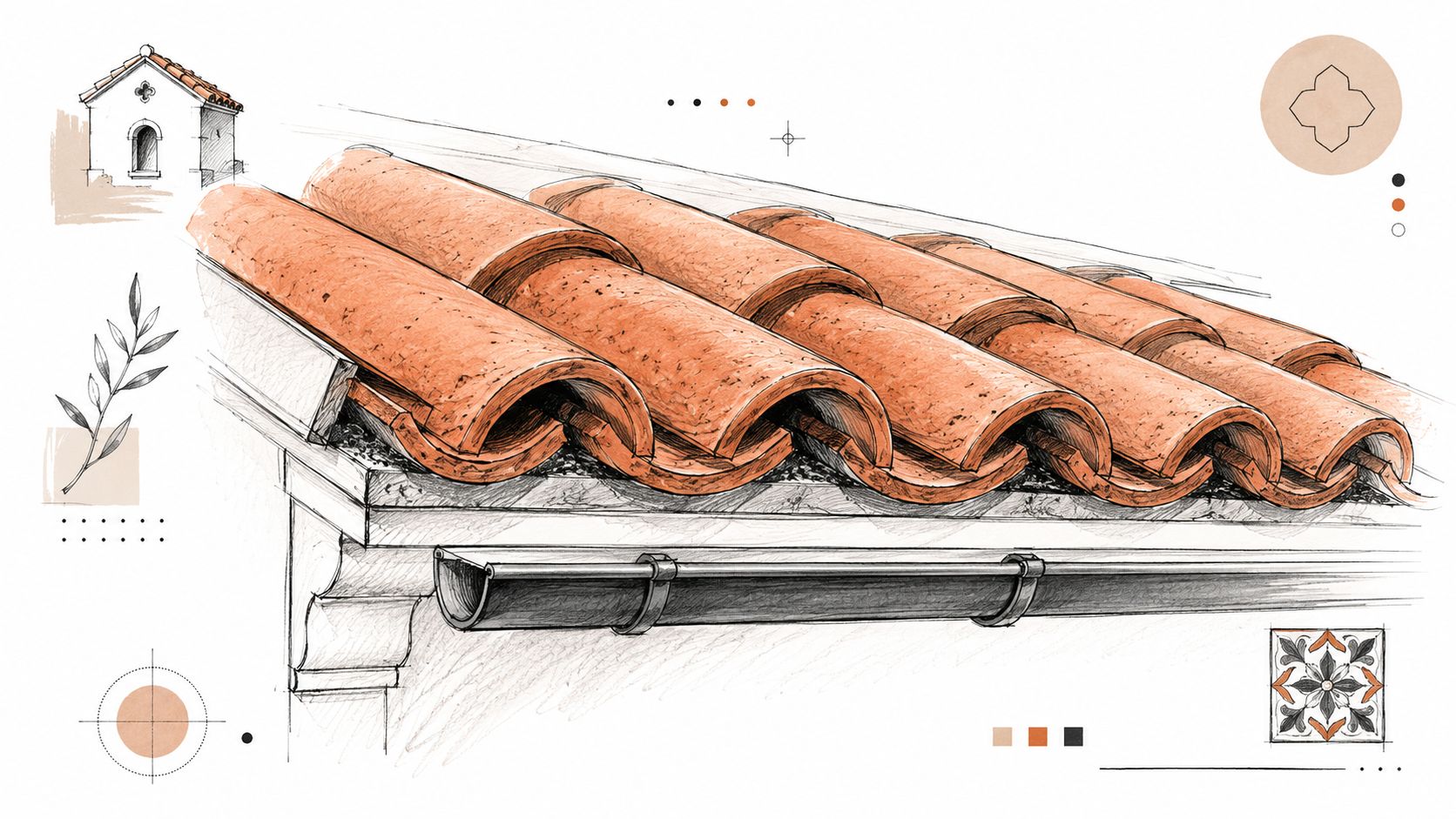
Clay barrel tiles are usually selected because the building needs character, not because the owner wants the cheapest square metre rate. They're a strong fit for heritage restorations, Mediterranean-style commercial buildings, boutique hospitality sites, and premium mixed-use developments where the roofline is part of the asset's value. If the façade is doing high-end work, a flat industrial-looking replacement often won't get through design review or owner approval.
They can perform very well, but they ask more of the project team. Material matching, lead times, breakage handling, roof pitch suitability, and heritage approvals all become live issues early.
A lot of managers underestimate how much coordination these roofs need before the first tile is lifted. If the building has original ridge details, unusual hips, or heritage constraints, you want the roofer, architect, and consultant aligned before procurement starts.
What property managers need to budget for
Clay barrel tiles aren't forgiving when shortcuts are taken. If the replacement tile doesn't properly match the existing geometry, crews start forcing alignments, and that's where water pathways, loose bedding issues, and visual inconsistency creep in.
For Sydney commercial work, the cost conversation shouldn't stop at materials. You also need to allow for:
- Heritage coordination: Approval pathways can stretch programme time, especially in older CBD or inner-city stock.
- Specialist labour: General roof crews aren't always the right crew for clay barrel systems.
- Maintenance access: Curved profiles can make access planning trickier around plant and services.
On prestige sites, the expensive mistake isn't choosing clay. It's trying to install clay with a team that mostly prices lightweight commercial metal roofs.
Clay remains one of the more distinctive options among different types of roof tiles. For the right building, it's the correct call. For a basic warehouse or a budget-driven industrial reroof, it usually isn't.
3. Concrete Roof Tiles
A Sydney strata manager usually looks at concrete tiles after the first serious maintenance cycle starts biting. The roof still looks serviceable from the ground, but the callouts keep coming. A few cracked tiles, some staining at ceilings, and repeated patch repairs around penetrations. In that situation, concrete can still be a sensible specification, but only if the structure, sarking, flashings, and access plan are checked properly before anyone prices the work.
Concrete tiles remain a common choice because they sit in the middle of the market on cost, appearance, and service life. They suit many suburban and light commercial properties, and they give owners more profile and colour flexibility than many budget reroof options. They also carry useful thermal mass, which can help moderate temperature swings in buildings where the ceiling line and roof space affect occupant comfort.
Where concrete gives the best return
Concrete tiles usually make the most sense on buildings that need a durable roof without stepping into premium heritage or architectural roofing budgets. In Sydney, that often means older strata complexes, schools, community buildings, and some mixed-use sites where the roof is visible and presentation matters.
They are usually a practical fit for:
- Strata replacements: Owners corporations often want a familiar system with a reasonable lifecycle cost and straightforward future repairs.
- Visible roofscapes: Concrete offers enough profile choice to keep the building looking consistent without paying for high-end specialty tiles.
- Asbestos replacement projects: On older sites, concrete can be considered after asbestos cement removal, but only after confirming the framing can carry the added dead load and the upgrade path meets current compliance requirements.
The trade-off is weight. That is the first checkpoint, not a footnote. If a site is moving from lightweight metal or replacing old asbestos cement products, the existing frame may need engineering review before concrete tiles are even an option. On commercial projects around Sydney, that review affects programme, cost, and sometimes whether the idea survives at all.
Installation quality matters just as much as tile choice. In leak investigations, the tile itself is often blamed first, but the recurring failures are usually at flashings, valleys, ridges, penetrations, and transitions between old and new work. That pattern lines up with Roof Savers' discussion of common tile roof problems, which points to improperly installed flashings as a leading cause of leaking tile roofs.
That matches what turns up on site. Property managers ask for a tile repair quote. The actual scope often expands to include cracked bedding, aged underlay, loose ridge systems, and poorly detailed penetrations added by other trades over the years.
From an ROI perspective, concrete tiles can stack up well if the building is designed for the load and the reroof includes the full weatherproofing package, not just new tiles on tired details. If the structure is marginal, access is difficult, or the building has a lot of rooftop services, a lighter commercial roofing system may produce a better long-term result even if the tile price looks acceptable on day one.
4. Metal Standing Seam Roofing
A Sydney warehouse upgrade is a common example. The owner wants a cleaner-looking roof, lower maintenance, and a replacement that will satisfy engineers, certifiers, and insurers after old asbestos-era materials come off. In that situation, standing seam often enters the shortlist because clients are usually weighing roof systems that balance appearance, service life, drainage performance, and compliance.
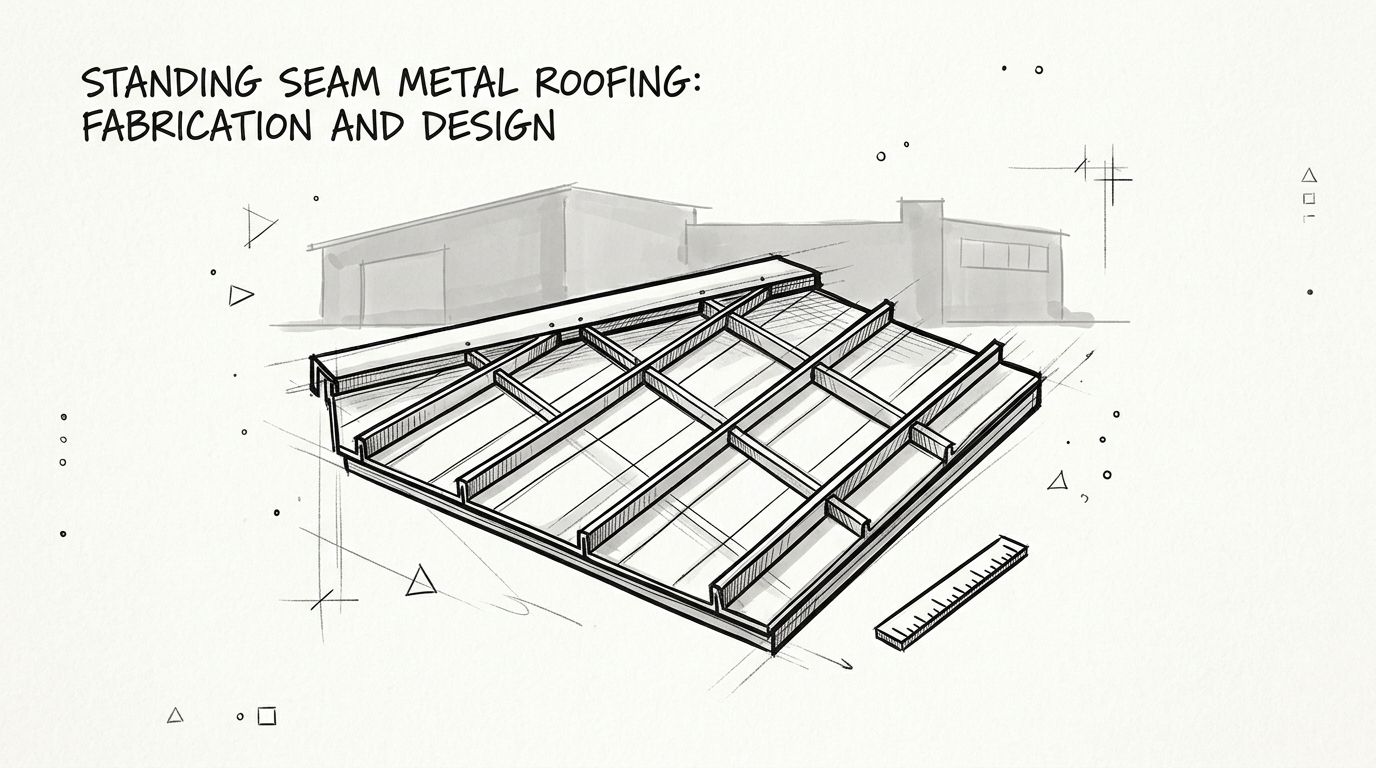
Standing seam is not a tile product, but it competes with tile-style options on the same commercial jobs. It suits education facilities, medical buildings, logistics sites, and premium industrial developments where the roofline is visible and the finish matters. On large roof planes, the raised seams and concealed fixing approach also give the system a practical advantage in water management.
Why designers specify it and contractors stay selective
Standing seam looks simple on paper. It is not simple on site.
The finish depends on disciplined set-out, accurate clip fixing, clean seaming, and well-resolved details at penetrations, box gutters, upstands, and parapet junctions. On Sydney commercial roofs with plant, solar, and multiple service penetrations, those details decide whether the roof stays low-maintenance or turns into a callback job. That is why experienced contractors price it carefully. Labour quality and access conditions matter as much as the sheet profile.
For property managers, the practical upsides are clear:
- Architectural finish: It suits modern facades, parapets, and feature elevations where the roof is part of the building presentation.
- Concealed fixing system: Fewer exposed fasteners can mean fewer long-term maintenance points than some conventional metal roof profiles.
- Lower structural demand than heavy tile systems: That can help on reroofing projects, especially where asbestos replacement or older framing conditions limit options.
- Strong long-term presentation: On visible commercial assets, it usually ages better than cheaper profiles that show fixings, patch repairs, and oil-canning more obviously.
The trade-off is cost. Standing seam usually carries a higher install price than standard commercial metal roofing, and the margin for poor workmanship is small. It also needs proper design review for wind classification, substrate, thermal movement, and drainage falls so the specification aligns with the building and the site exposure in NSW conditions.
Profile choice still needs discipline. Market commentary around low-profile roof aesthetics, including discussion published by Monier, reflects a broader point that applies well beyond tiles. Sleek looks should never override wind suitability, fixing method, and compliance with the relevant Australian Standards. On exposed Sydney sites, especially near the coast or on taller industrial buildings, the better ROI usually comes from a system specified for the site first and styled second.
For many commercial owners, that is the main value of standing seam. It can deliver a cleaner finish and a long service life, but only when the budget allows for the right substrate, the right installer, and detailing that holds up under Sydney weather rather than just looking good at handover.
5. Slate Roof Tiles
Slate is rarely the default answer on a Sydney commercial project. It's the answer when the building justifies it. Government buildings, universities, cultural sites, prestige commercial properties, and heritage restorations are where slate still makes sense. In those settings, lifespan, appearance, and heritage integrity carry more weight than simple upfront spend.
What separates slate from many other roofing products is that owners usually choose it with a long horizon in mind. They're not trying to minimise this year's capital line. They're trying to avoid a cheap-looking replacement that devalues a significant asset.
Where slate makes commercial sense
If a building has original slate or slate-appropriate detailing, replacing it with a lighter, lower-cost alternative can create more problems than it solves. Heritage review can become harder, visual mismatch becomes obvious, and resale or institutional presentation takes a hit.
That said, slate isn't forgiving on planning. Before specification, a prudent owner should expect:
- Structural verification: Slate is a heavy natural product, so the substrate and supporting structure need proper review.
- Specialist sourcing: Colour, thickness, and finish need to match the building's character.
- Experienced labour: This isn't a roof for a crew learning on the job.
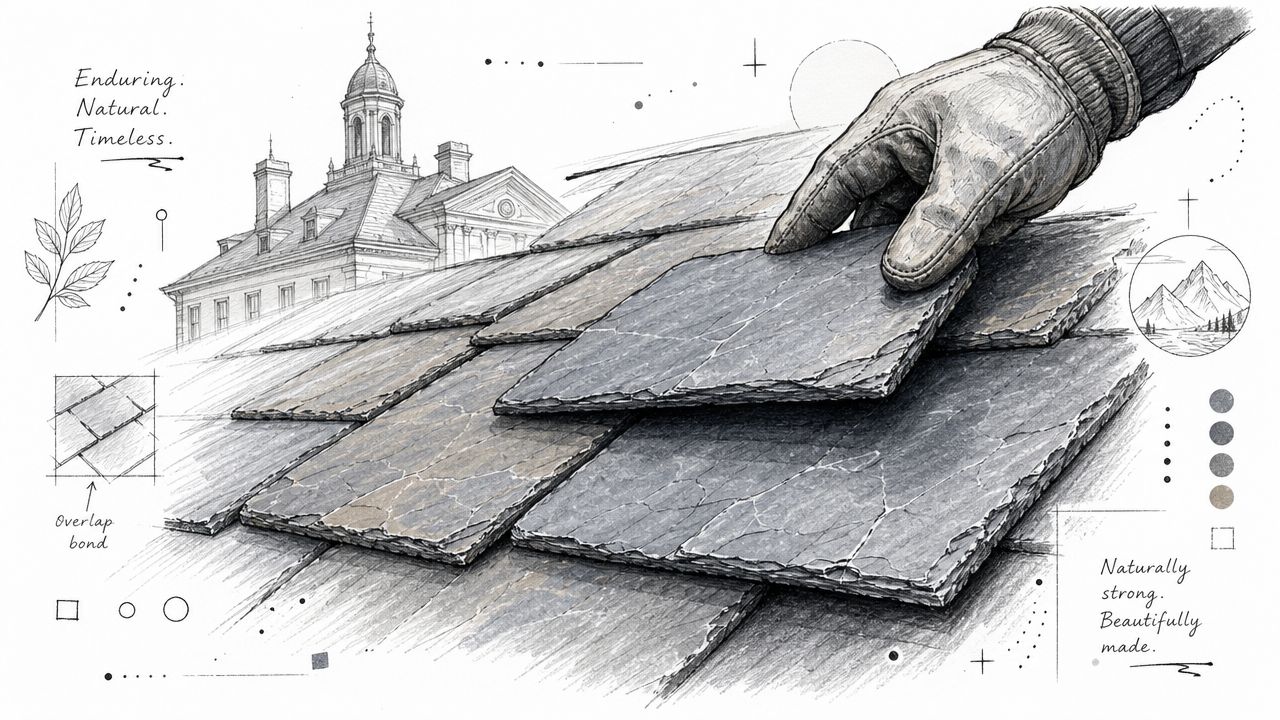
On heritage jobs, the detail work around valleys, abutments, ridges, and penetrations matters as much as the slate itself. If those interfaces are wrong, the roof won't perform like the premium system you paid for. The clients who are happiest with slate are usually the ones who accept that the roof is a specialist package, not a commodity product.
6. Terracotta Roof Tiles
Terracotta sits close to clay in appearance and heritage appeal, but it brings its own replacement challenges on Sydney projects. It's often chosen for boutique retail, hospitality, high-end residential complexes, and restoration work where the colour and texture of a fired clay roof are part of the building's identity. On the right asset, terracotta looks hard to beat.
From a contractor's view, the material works best when the project team respects its limits. Terracotta can deliver a premium finish and very long service life, but it isn't a product you treat like a basic swap-out line item.
The common mistake on replacement jobs
The common failure in terracotta projects isn't that owners chose terracotta. It's that they assume any reddish clay-looking tile will be close enough. It usually isn't. Profile mismatch, inconsistent weathering, bedding changes, and poor accessory matching can leave a replacement roof looking patched from day one.
A better approach is to lock down the specification early:
- Match the profile properly: Ridge, hip, valley, and verge details all need to work with the selected tile.
- Check the structure first: Terracotta carries weight, and older buildings may need review before replacement.
- Use crews with heritage experience: Fine tolerances matter more on visible premium roofs.
Terracotta is one of the different types of roof tiles that can add real asset value when the building suits it. It can also become an expensive compromise if budget pressure pushes the job toward mixed batches, makeshift accessories, or a crew better suited to standard industrial work.
Site note: If the owner cares about presentation, ask for tile samples on the roof plane, not just in the yard. Colour and texture read differently once they're on the building.
7. Asbestos Cement Tiles Historical Removal Context
A Sydney property manager usually finds asbestos roofing at the worst time. A leak turns into an access issue, a tenant wants new plant on the roof, or pre-purchase due diligence identifies suspect sheets and the whole scope changes.
On older commercial and industrial sites, asbestos cement tiles are part of the building's risk profile, not a roofing product to compare against modern options. Once asbestos is suspected, the job sits under a different set of requirements for inspection, removal, disposal, site controls, and records. That affects budget, programme, and tenant planning straight away.
What compliant replacement planning looks like
The first practical step is to stop any assumption that this can be handled as a standard repair. Brittle asbestos cement can break under foot traffic or during patch work, and that creates avoidable exposure, project delay, and compliance trouble.
A workable sequence usually looks like this:
- Confirm what is on the roof: Arrange a proper survey or material identification before pricing intrusive works.
- Set the removal scope early: Licensed asbestos removal, containment, transport, and disposal all need to align with NSW rules.
- Design the replacement with the removal plan: One coordinated project is usually safer and more cost-effective than removing now and revisiting the roof later for a separate install.
- Check the compliance path: Replacement materials, fixings, access methods, and installation details should suit the building use and relevant Australian Standards.
For Sydney asset owners, the hard part is rarely just getting the old roof off. The bigger challenge is coordinating licensed removal, safe access, replacement sequencing, weather protection, occupant communication, and the paperwork needed to show the job was handled properly. A contractor with direct experience in commercial asbestos roof removal and replacement in Sydney can save a lot of rework here.
This short video is a useful visual reference on why asbestos roofing requires specialist handling.
The cost question always comes up. Compliant asbestos removal is more expensive than a standard reroof, but the better measure is whole-of-project return. Delaying replacement can mean repeated leak callouts, restrictions on maintenance access, longer vacancy periods during future works, and more expensive emergency response if the roof deteriorates further. On many Sydney industrial assets, planned removal and replacement is the cheaper decision once those risks are priced properly.
8. Cement Fibre Tiles Non-Asbestos
Modern cement fibre tiles exist because many buildings still need a cement-based roofing look or replacement pathway without the hazards of asbestos. For some Sydney projects, especially older industrial and commercial replacements, they can be a practical middle-ground option. They preserve a familiar appearance while meeting current safety expectations.
This category is worth considering when owners want a non-metal solution, don't need the prestige of slate or terracotta, and are replacing legacy cement roofing on buildings where visual continuity matters.
When they're the practical replacement option
Cement fibre tiles are often most useful on straightforward reroofing jobs where the owner wants to move from hazardous old material to a compliant modern alternative without overcapitalising. On some buildings, especially secondary industrial assets, that's a sensible commercial decision.
A few reasons they get specified:
- Familiar replacement path: They make sense on sites transitioning away from asbestos cement roofing.
- Balanced presentation: They don't push the building into an architectural premium category.
- Budget discipline: They can suit owners trying to manage replacement cost while still delivering a safe, serviceable result.
The caution is similar to other heavier tile-type products. Structure, underlay, flashings, fasteners, and moisture management still matter. If the original roof leaked around penetrations and edge details, changing the tile material won't fix the design or installation problem. The best results come when the replacement package addresses the whole assembly, not just the visible surface.
For many property managers, this is the sensible answer after asbestos removal. It won't suit every asset, but on the right building it can provide a clean, compliant reset without drifting into an unnecessarily expensive roofing package.
Comparison of 8 Roof Tile Types
| Material | 🔄 Implementation Complexity | ⚡ Resource Requirements | ⭐ Expected Outcomes | 📊 Ideal Use Cases | 💡 Key Advantages / Tips |
|---|---|---|---|---|---|
| Colorbond Steel Roof Tiles | Moderate, professional install required to maintain warranty | Medium, steel panels, underlayment, fasteners; lightweight framing | Long-lasting (25+ yr warranty), corrosion & UV resistant, energy-efficient | Commercial/industrial, coastal sites, large warehouses, retail centres | Durable & quick to install; specify Zincalume for coast, use acoustic underlay |
| Clay Barrel Tiles | High, specialist/heritage trades, slow and fragile installation | High, heavy framing reinforcement, premium material & labour | Very long life (60+ yrs), strong architectural character, good thermal mass | Heritage restorations, premium developments, aesthetic-led projects | Timeless aesthetic; budget 15%+ waste, engage heritage architect early |
| Concrete Roof Tiles | Moderate, common trade skills but heavy handling and breakage risk | Medium, substantial framing, sealants, maintenance for moss | Durable (30–40 yrs), cost-effective, solid performance in Australian climate | Large-scale commercial, warehouses, budget-conscious projects | Economical and available; verify structure, apply sealant, allow ~10% breakage |
| Metal Standing Seam Roofing | High, precision fabrication, specialised installers, thermal joint design | Medium–High, fabricated panels, skilled labour; lightweight roof support | Excellent longevity (50+ yrs), sealed seams, superior weather performance | Modern industrial, low-pitch roofs, healthcare, bushfire-prone sites | Fastener-free seams and low maintenance; specify Zincalume/stainless, allow thermal movement |
| Slate Roof Tiles | Very high, specialist roofers, long timelines, fragile hand-installation | Very high, heavy structural reinforcement, premium sourcing, long lead times | Exceptional longevity (100+ yrs), premium prestige, minimal routine maintenance | Heritage/institutional prestige buildings, high-end restorations | Multi-generational durability; require structural assessment, expect high cost & wastage |
| Terracotta Roof Tiles | High, specialist installers, slower install, fragile handling | High, heavy framing, premium clay tiles, skilled labour | Long life (40–60+ yrs), authentic aesthetic, good thermal mass | Mediterranean-style, heritage, premium residential and hospitality | Authentic look; budget 15–20% waste, seal in high-moisture areas, use experienced trades |
| Asbestos Cement Tiles (Historical/Removal Context) | Very high, mandatory licensed asbestos removal procedures | Very high, licensed removalists, containment, certified disposal, higher cost | Unsafe if disturbed; safe outcome only via compliant licensed removal & replacement | Not for new use, legacy removal for older commercial/industrial buildings | DO NOT disturb; commission asbestos survey, engage Licensed Asbestos Removalist (LAR) and document disposal |
| Cement Fibre Tiles (Non-Asbestos) | Low–Moderate, installed by conventional roofing trades | Medium, cement-fibre tiles, underlayment; lighter than clay/slate but heavier than metal | Durable (30–35 yrs), safe non-toxic alternative, cost-effective | Industrial/warehouse retrofits, asbestos replacements, cost-conscious commercial projects | Safe and economical; specify PVA fibres, use stainless fasteners, plan 8–10% breakage |
Making the Final Decision Your Sydney Roofing Partner
Choosing between different types of roof tiles isn't really about finding a universally best product. It's about matching the roof system to the building, the exposure conditions, the compliance requirements, and the owner's real planning horizon. A premium heritage asset in the CBD needs a different answer from a logistics facility in Western Sydney. A coastal strata complex has different risks from an inland warehouse. And an older industrial site with suspected asbestos sits in a completely different category again.
That's why the most expensive mistake isn't always choosing a higher-cost material. Often, it's choosing a material that doesn't fit the structure, the local exposure, or the maintenance reality of the site. I've seen owners spend heavily on replacement roofs while leaving flashing layouts, drainage choke points, and access issues largely untouched. The result is a roof that looks new but still produces callbacks.
For Sydney commercial and industrial properties, a sound decision usually comes down to a few practical questions. Does the structure comfortably support the proposed material? Are the flashings, underlay, fasteners, and gutters specified as a system rather than as isolated components? Is the roof profile appropriate for wind exposure and local council expectations? If asbestos is present, has the job been planned as a licensed removal and replacement project rather than a patch-and-delay exercise?
Concrete roof tiles remain a strong mainstream option when cost, durability, and thermal performance need to stay in balance. Clay, terracotta, and slate are best reserved for buildings that benefit from their appearance and longevity. Steel tile systems and standing seam roofing usually make more sense where lighter weight, efficient installation, and easier commercial maintenance are priorities. Cement fibre tiles can be a practical replacement path on older buildings after asbestos removal, provided the whole roof build-up is reviewed.
The right next step isn't guessing from product brochures. It's getting the roof inspected properly by a licensed commercial roofer who understands Sydney conditions, older building stock, and the compliance side of replacement work. A proper inspection can identify whether your problem is really the tile, or whether the bigger issues sit in the flashings, substrate, drainage, or legacy hazardous materials. That gives you a scope you can budget for with confidence, and a roofing solution that should perform the way it's meant to over the long term.
If you're weighing roof replacement, asbestos removal, heritage restoration, or a new roofing specification for a commercial or industrial site, Commercial Roofers can help you assess the right system for your building. Their Sydney team handles inspections, compliant replacement planning, metal roofing, roof tiling, guttering, and asbestos roof removal across NSW, with practical advice built around lifecycle cost, safety, and minimal disruption to your operations.